 Our History
 Our Providers
 About Us
 Blog
Blog
 Contact us
 Diagnostic & Preventive
 Implant Dentistry
 Invisalign
 Cosmetic Dentistry
 Periodontics
 Patient Forms
 Payment Information
 Insurance Options
 CareCredit Dental
 Appointment Policy
 Free Consultation
 Complimentary Teeth Whitening
 Teeth Whitening
Top Reasons Patients Choose a Gum Lift in 2026


Key Takeaways:
- Lifting the gums reshapes excess gum tissue to improve smile balance, health, and function.
- Patients choose gum lift surgery for gummy smiles, uneven gumline, restorative needs, and easier daily hygiene.
- Crown lengthening exposes more tooth structure to support crowns and prevent long-term inflammation.
- This procedure is precise, minimally invasive, and often enhances both appearance and oral comfort.
Gingival contouring, gum reshaping, or, in some instances, crown lengthening, is a minor surgical procedure that removes or repositions excess gum tissue to reveal more of the natural tooth. Depending on the situation, the dentist may also contour a small amount of bone to create a stable, healthy foundation for the gums.
In 2026, gum lift surgery has become one of the most requested cosmetic and functional procedures in dentistry. Patients want cleaner lines, a more confident smile, and gums that function the way they should. For others, this type of lift isn’t about appearance at all. It’s required to restore a tooth, treat inflammation, or prepare the mouth for veneers or orthodontic work.
This procedure isn’t frantic or extreme. It’s precise. It creates symmetry. It produces long-lasting results. And for many patients, their gum lift before-and-after photos become the moment they recognize their genuine smile.
Below are the top reasons people choose surgical gum lift treatment.
1. To Correct a Gummy Smile (Excessive Gingival Display)
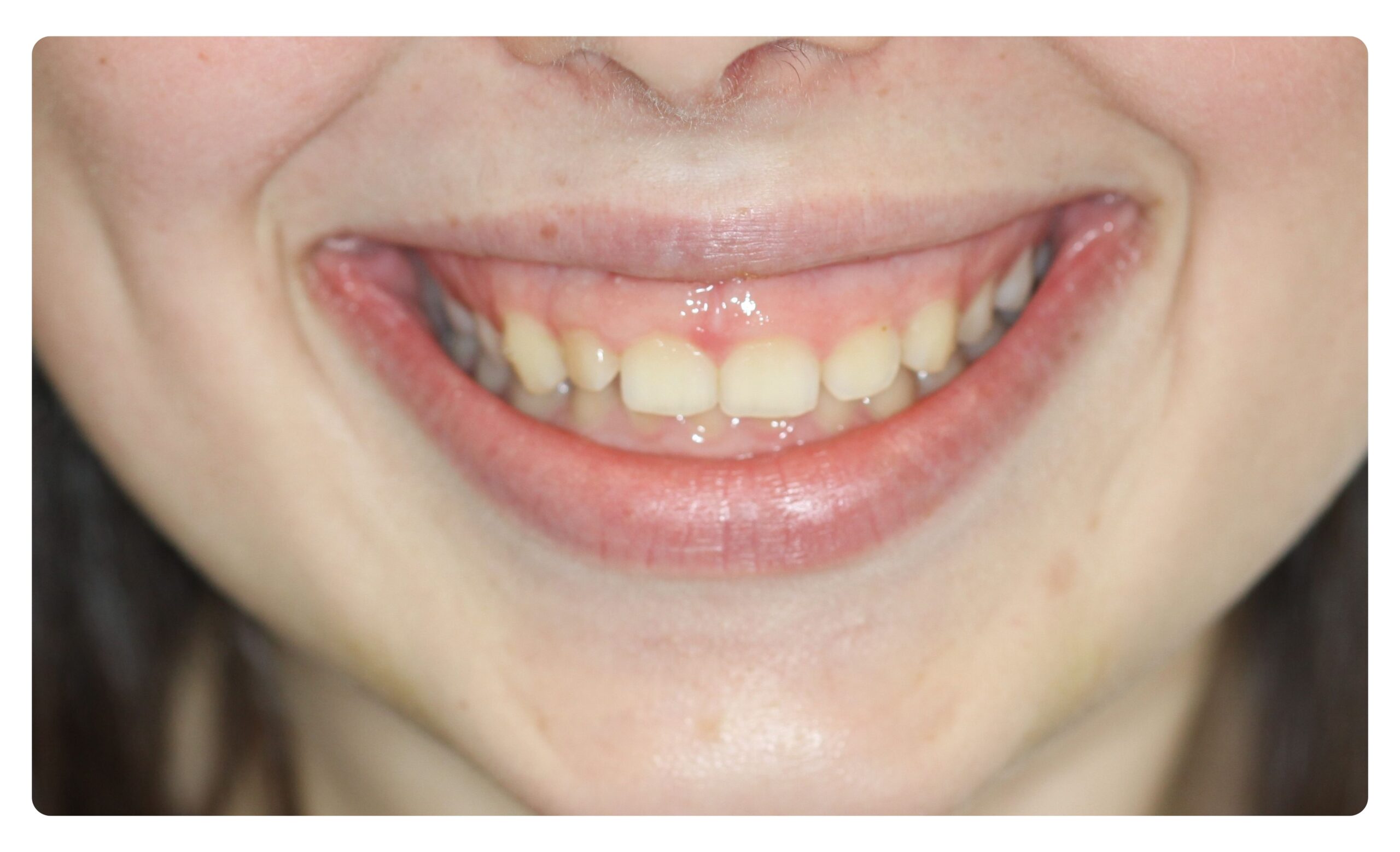
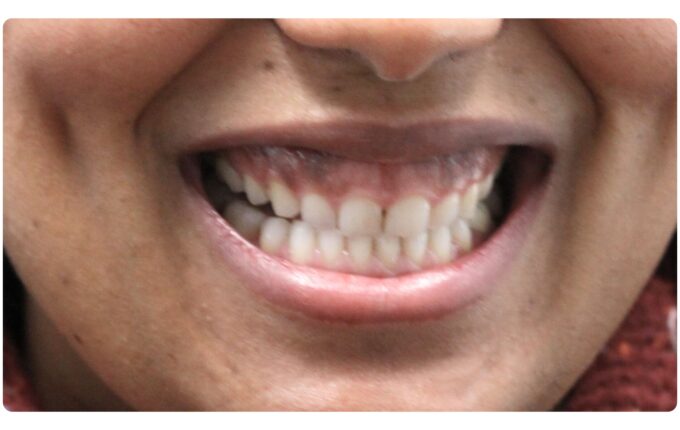
A “gummy smile” is one of the most common reasons patients ask about gum lift surgery. Excessive gingival display occurs when the gums sit lower on the teeth than they should, creating the appearance of short, square, or uneven teeth, even when they’re perfectly healthy.
Gingival contouring corrects this by gently reshaping the tissue so that more of the tooth’s natural structure is visible. The goal isn’t to dramatically change the smile. Instead, it restores proper proportions between the teeth and gums, which instantly creates a more balanced look.
Patients usually choose a gum lift for a gummy smile when:
- Too much gum shows when smiling
- Teeth appear smaller than they actually are
- The gumline sits at uneven heights
- One side of the smile looks more raised than the other
- Photographs highlight an imbalance they never noticed in the mirror
Dentists also evaluate the “gingival zenith,” the highest point of the gum line around certain teeth, to ensure the final look aligns with established smile-design principles. When the zeniths don’t match, symmetry is thrown off. A gum lift corrects this with millimeter-level precision.
Many people describe the results the same way after seeing their gum lift before-and-after photos.
2. To Improve Smile Symmetry and Aesthetic Proportions
Even without a full gummy smile, slight irregularities in the gumline can make the smile appear uneven or less polished. Gingival contouring can refine these details in a way that whitening or orthodontics alone cannot.
Dentists often recommend gum reshaping to:
- Level the gum heights around adjacent teeth
- Create more proportional tooth length
- Match the contours of the left and right sides
- Form a cleaner frame for veneers
- Improve the overall balance of the smile
Modern dentistry uses principles like the golden proportion to design smiles that feel naturally attractive. When the gums are positioned too low or too high, the teeth look disproportionate, even if they’re perfectly aligned. Gum lift surgery helps restore those proportions so the entire smile looks intentional.
This step is especially valuable before:
- Porcelain veneers
- Cosmetic crowns
- Teeth whitening packages
- Invisalign or braces “finishing stages.”
Patients often comment that the procedure seems “too small” to make a big difference until they see the results. A smoother gumline can completely change how straight, white, or bright the teeth appear, even without touching the tooth structure itself.
Many patients also choose soft tissue contouring because it creates a more consistent foundation for future dental work. When the gingival margins are even, veneers sit more naturally, crowns appear longer and more proportional, and whitening results look brighter. It’s one of those minor adjustments that make everything else in a smile makeover land exactly the way it should.
Another advantage is the long-term stability it provides. By repositioning excess tissue and creating cleaner access around each tooth, daily brushing becomes easier, and inflammation is less likely to develop. Patients often describe the difference as subtle at first, but as the gums settle into their new, healthier alignment, it becomes more noticeable with each passing week.
3. To Treat Gum Overgrowth, Inflammation, or Altered Passive Eruption
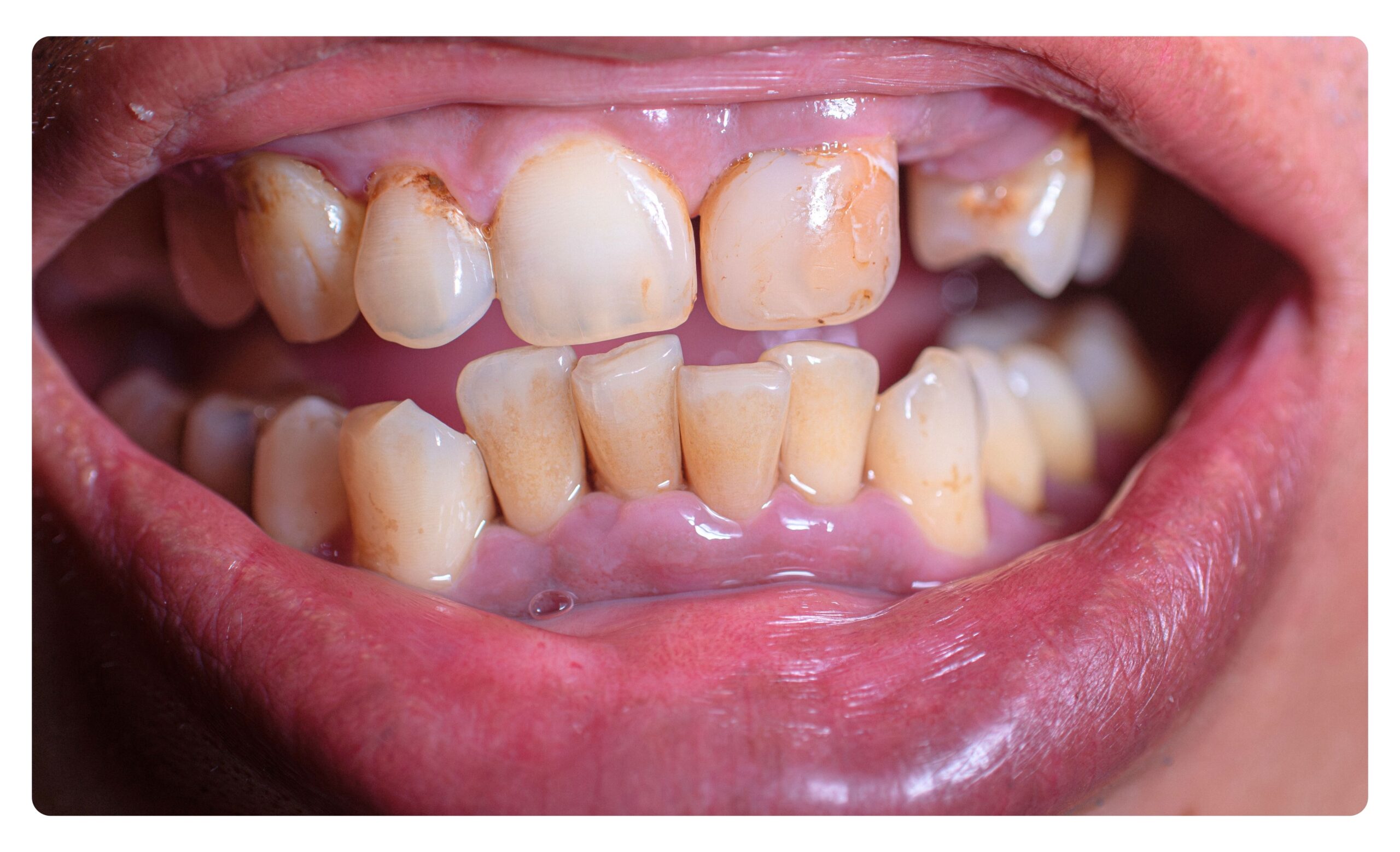
Gum reshaping isn’t only about cosmetic enhancement. In many cases, excess gum tissue creates functional issues that affect oral hygiene and long-term dental health.
One of the most common medical indications is altered passive eruption (APE). This occurs when the gums do not naturally recede to their ideal position after the teeth erupt into the mouth. As a result, teeth remain partially covered by gum tissue well into adulthood.
APE can lead to:
- Difficulty cleaning the gumline
- Food trapping
- Increased plaque buildup
- Early symptoms of gum irritation
- Short-looking teeth despite normal anatomy
Other patients experience gum overgrowth due to inflammation, genetics, orthodontics, or medication. Extra tissue often forms small pockets around the teeth where bacteria thrive. This can make brushing feel uncomfortable and flossing feel ineffective.
Cosmetic gum treatment removes that overgrowth, restores proper gum architecture, and supports long-term oral health. Once healed, patients typically report:
- Easier brushing
- Smoother flossing
- Fewer irritated areas
- A cleaner feeling during daily hygiene
Even patients who originally wanted gingival contouring for cosmetic reasons are often surprised by how much healthier their mouth feels afterward.
4. To Perform Functional Crown Lengthening (Restorative Treatment)

Functional crown lengthening is performed when a tooth has decay, an old restoration, or a fracture below the gumline. In these cases, the dentist cannot properly clean, treat, or restore the tooth without exposing more of its natural structure.
Crown lengthening is not the same as cosmetic reshaping. It is a medically necessary procedure.
This type of surgical gum lift is used to:
- Access decay that extends beneath the gums
- Expose enough natural tooth structure to support a crown
- Prevent future inflammation or bone loss caused by a restoration sitting too close to the bone
- Recreate the proper biological width (the healthy space between bone and restorative material)
If a dentist places a crown where the biological width has been violated, patients may experience:
- Persistent bleeding
- Gum sensitivity
- Chronic inflammation
- Looseness or failure of the restoration
Functional crown lengthening addresses this by recontouring both the gum tissue and the underlying bone, creating a stable and healthy foundation for long-lasting dental work.
This version of gum lift surgery is all about durability, longevity, and preventing future complications – not just aesthetics.
5. To Improve Daily Oral Health and Long-Term Cleanliness
There’s a quiet category of patients who don’t fit neatly into “cosmetic” or “restorative” needs – they simply want brushing and flossing to feel normal again.
Extra gum tissues, uneven contours, or deep grooves between the gums and teeth can make hygiene feel frustrating. The toothbrush catches at strange angles. Floss gets stuck. Certain areas feel like they never get spotless.
A surgical gum lift smooths these angles so the gumline follows the natural curves of the teeth. This makes daily hygiene significantly easier and reduces the risk of long-term issues like:
- Gingivitis
- Periodontal pockets
- Food impaction
- Recurring inflammation
Patients often say the biggest surprise isn’t the visual change. It’s how much cleaner and healthier their mouth feels afterward. Their gum lift before-and-after photos capture the aesthetic improvement, but the true benefit is felt during every brushing routine.
Cosmetic vs. Functional Gum Lifts: What’s the Difference?

| Category | Gingivectomy | Esthetic Crown Lengthening | Functional Crown Lengthening |
|---|---|---|---|
| Main Purpose | Improve smile aesthetics and / or tissue health | Cosmetic smile improvement | Expose tooth for restoration |
| Tissue Involved | Gum tissue only | Gum tissue + Bone reshaping | Gum tissue + Bone reshaping |
| Common Reasons | Overgrown gums, gum disease | Gummy smile, uneven gumline, veneers prep | Deep decay, fractures, biological width issues |
| Healing Time | ~1 Week | 3–6 Months | 3–6 Months |
| Primary Benefit | Healthy gum contour | Aesthetic harmony & longer-looking teeth | Functional health, longevity, stable crown margins |
Both procedures fall under the umbrella of “surgical gum lift,” but their goals and steps differ significantly. Understanding this helps patients know what kind of treatment they actually need. To better understand the difference between gingivectomy vs crown lengthening read our in depth explanation.
Take the First Step Toward a Healthy Smile
Ready to get started? If you’re considering a gum lift, our Midtown Manhattan gum specialist can evaluate your smile, explain your options, and create a tailored plan designed around your aesthetic goals and oral health needs.