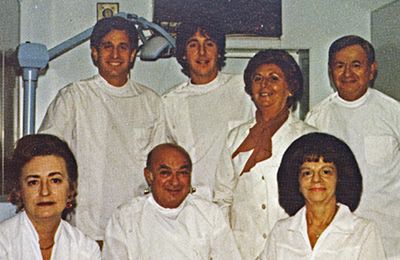
 Our History
 Our Providers
 About Us
 Blog
Blog
 Contact us
 Diagnostic & Preventive
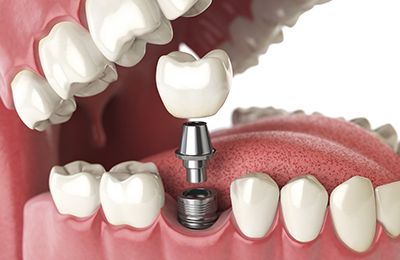 Implant Dentistry
 Clear Braces - Invisalign
 Cosmetic Dentistry
 Periodontics
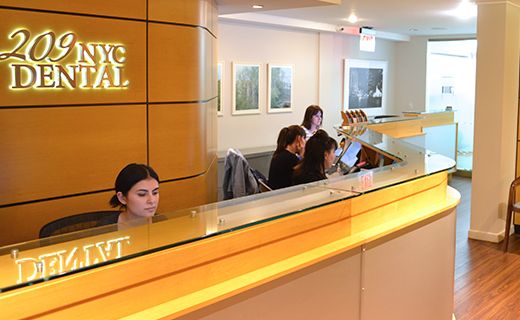 Patient Forms
 Payment Information
 Insurance Options
 CareCredit Dental
 Appointment Policy
 Free Consultation
 Complimentary Teeth Whitening
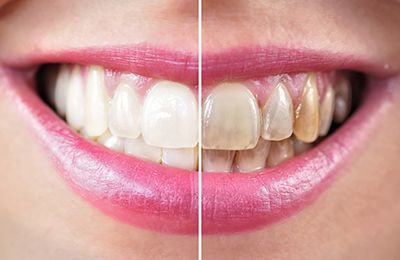 Teeth Whitening

Porcelain Inlays and Onlays are dental treatments used to repair and restore damaged or decayed teeth. They deliver durable, and beautiful results that can last decades while while preserving existing tooth structure unlike dental crowns.
Longer Lifespan
Same-Day Emergency Care
In Short About Dental Inlays and Onlays
- Custom Porcelain Restorations: Laboratory-crafted inlays and onlays offer superior strength and aesthetics compared to traditional fillings.
- Preferred choice for large restorations:: Conservative approach maintains more healthy enamel and dentin than crowns while providing crown-like strength compared to fillings.
- Two-Visit Procedure: Digital impressions and master laboratory fabrication ensure precise fit and natural appearance.
- Longer Lifespan: With proper care porcelain restorations last 5-10 years longer than composite fillings, with superior stain resistance.
- Simple Maintenance: Standard oral hygiene practices maximize restoration longevity and protect your investment.
- Proven Results: Natural-looking restorations that blend seamlessly with your existing teeth.
Have questions about booking or insurance? We’ve got answers. View Frequently Asked Questions
Understanding Dental Inlays and Onlays
Inlays and onlays are custom-made porcelain restorations that offer a better alternative to traditional fillings and crowns. Unlike direct restorations, like fillings placed in a single visit, these indirect restorations are made in a dental laboratory for strength, fit and aesthetics.
Dental Inlays
A dental inlay fits within the chewing cusps of your tooth, restoring cavities that are too large for conventional fillings but not extending over the edges of the tooth, called cusps. Our dentist takes a digital impression that goes to a top rated dental laboratory and the lab makes the inlay from porcelain that matches your natural tooth color.
At 209 NYC Dental, we do not use inlays for small to medium defects as modern composite fillings serve these cases well. But when strength and longevity are required, inlays are the way to go.

Dental Onlays
An onlay, sometimes called a “partial crown”, covers one or more chewing cusps and the chewing surface of the tooth. Onlays restore larger areas of decay while preserving more natural tooth structure than full dental crowns.
Onlays are one of our favorite restorations. We can treat patients conservatively and provide crown-like strength without filing down the entire tooth. When an onlay isn’t suitable, the alternative is a full crown that requires removing entire tooth surface.

Benefits of Porcelain Inlays and Onlays
Preserves Tooth Structure
Onlays preserve healthy enamel and dentin that would be removed for crown, while maintaining long-term tooth vitality through a conservative approach.
Longer Lifespan
Porcelain inlays and onlays are significantly more durable than traditional fillings. With proper care many patients can enjoy their restorations for 5-10 years longer than fillings.
Strengthens Teeth
Bonded porcelain restorations are proven to reinforce the remaining tooth structure, potentially increasing fracture resistance by up to 75% compared to a non-restored or traditionally filled tooth.
Natural Aesthetics
Porcelain is color-matched to your natural teeth, creating restorations that blend in with your smile.
Superior Fit
Dental laboratory fabrication ensures precision with contact points that prevent food impaction and maintain proper spacing.
Biocompatible
Modern porcelain doesn’t stain and doesn’t expand or contract with temperature changes like metal restorations.
Your Inlay / Onlay Procedure
Preparation & Impression
During first appointment we remove decay, shape the tooth, and take digital impression that is sent to a dental laboratory. You receive a temporary filling.
Laboratory Fabrication
Master technicians craft your custom restoration from premium porcelain material.
Final Restoration
On the second visit, we verify fit and aesthetics of your final restoration, then bond your permanent inlay / onlay restoration using advanced adhesive techniques.
How They Compare to Other Restorations
| Feature | Inlays/Onlays | Crowns | Dental Fillings |
|---|---|---|---|
| Best For | Large cavities when sufficient healthy structure remains | Extensive damage affecting all surfaces, after root canals | Small to medium cavities surrounded by healthy tooth |
| Coverage | Covers only damaged areas, preserving healthy tooth structure | Covers entire tooth structure above gum line | Fills cavity within tooth structure |
| Tooth Preparation | Minimal preparation, preserves maximum natural tooth structure | Requires shaving down entire tooth surface, removes significant tooth structure | Minimal preparation, only decayed portion of the tooth is removed |
| Durability | 5-10 years longer than composite fillings with proper care | 5-10 years longer than composite fillings with proper care | 5-10 years typical lifespan |
| Strength | Reinforces tooth structure, increases fracture resistance by 75% | Maximum strength for severely damaged teeth | May crack under pressure for large cavities |
| Cosmetics | Matches your natural tooth color perfectly, resists staining over time | Matches your natural tooth color perfectly, resists staining over time | Initially matches tooth color but will stain and turn yellow or gray over time |
| Appointments | Two visits (preparation and placement) | Two visits (preparation and placement) | Single visit |
Disclaimer: Durability estimates are general guidelines. Individual results may vary based on personal oral health, daily care habits, dietary choices, and lifestyle factors. Regular dental check-ups and proper maintenance are essential for maximizing restoration longevity.
How to Extend Life of Your New Restoration
Follow these good oral hygiene practices to maximize longevity and protect your investment.
Essential Dental Care
- Brush twice a day with fluoride toothpaste and a soft-bristled brush
- Floss every day to prevent decay at the margins of your new restoration
- Have professional teeth cleanings and exams every six months
- Don’t delay visits if you notice new discomfort or sensitivity
Protect Your Investment
Teeth Grinding: If you grind or clench your teeth, ask about a custom nightguard to protect your dental restoration during sleep.
Hard Foods: Avoid biting on ice, hard candy, and popcorn kernels, they may crack porcelain.
Sticky Foods: Exercise caution with caramel, taffy, and other sticky foods that can pull on bonded restorations.
When Dental Onlay Will not Work
While dental onlays can fix significant tooth damage, some situations require other dental procedures:
- Root Canal Therapy: When decay reaches the tooth’s nerve, root canal treatment is required
- Core Build-Ups: Severely broken teeth may need foundation material to support a crown
- Crowns: When tooth has insufficient tooth structure due to severe decay or fracture, or root canal therapy is required, dental crowns become a preferred treatment since they provide necessary coverage
- Extraction and Implants: Teeth damaged beyond repair may require removal and replacement with dental implants and implant restorations
Our multispecialty practice offers all treatment options under one roof, ensuring seamless care.
Real Results: Dental Onlay Before and After
Restored tooth with custom porcelain onlay that blends seamlessly with natural tooth structure.


Experience Care Designed Around You

Conservative Philosophy
We preserve maximum natural tooth structure through predictable, conservative solutions that protect long-term oral health.

Premium Dental Materials
We use only Emax and Zirconia porcelain made by master labs for perfect fit, function and aesthetics.

Multispecialty Expertise
From routine care to complex restorations, our comprehensive team provides seamless care under one roof.

Flexible Payment Options
We accept dental insurance, HSA, FSA, all major credit cards, and offer CareCredit financing for your convenience.

Convenient Midtown Location
Our Midtown East dental office near Bloomingdale’s and MoMA makes appointments easy to fit into your schedule.

Same-Day Emergency Care
We offer same-day emergency appointments to address urgent dental concerns quickly and effectively.
Visit Our Midtown Manhattan Dental Office
ADDRESS
209 E 56th Street
New York, NY 10022
PHONE
OFFICE HOURS
Monday – Thursday: 7:30 AM – 6:30 PM
Friday: 7:30 AM – 5:00 PM
Saturday: 7:30 AM – 3:00 PM
Sunday: 9:00 AM – 3:00 PM
Ready to Restore Your Smile?
Schedule your consultation today to learn how porcelain inlays and onlays can preserve your natural tooth
while delivering beautiful, long-lasting results.
Not Sure Where to Start?
Schedule your new patient visit for comprehensive exam, x-rays, and cleaning.
Typically covered by insurance at 100%, or $325 for private patients—the most affordable package in NYC.
Same-day emergency appointments available
209 NYC Dental
209 E 56th Street, 1st Floor
New York, NY 10022
Between 2nd & 3rd Avenue | Midtown East Manhattan
Frequently Asked Questions
Are inlays and onlays painful?
No discomfort with local anesthesia
No. We numb you during both appointments using local anesthetic and most patients report minimal to no discomfort during or after.
How much do inlays and onlays cost?
Similar to crown pricing, insurance typically covers 50-80%
Cost varies based on restoration size. Since Inlays and onlays are similar to crowns (materials, preparation, expertise), the cost is typically similar to the cost of crowns than composite fillings. If you are using dental insurance that we accept, the cost of the onlay/ inlay will be determined by insurance contract. We provide detailed estimates during consultation and work with your insurance to maximize benefits.
Will my insurance cover inlays and onlays?
Yes, most plans cover 50-80% as restorative procedures
Most dental insurance plans cover 50-80% of inlay and onlay costs as restorative procedures. Our team verifies benefits and explains out-of-pocket costs before treatment begins.
Can I eat normally with an inlay or onlay?
Yes, once bonded they withstand normal chewing
Yes. Once bonded, you can eat normally. We recommend avoiding extremely hard or sticky foods, but inlays and onlays withstand normal chewing forces.
What materials are used for inlays and onlays?
Premium Emax and Zirconia porcelain
At 209 NYC Dental, we use premium porcelain materials including Emax (lithium disilicate) and Zirconia. Both are highly durable, biocompatible, and can be precisely color-matched to your natural teeth. Emax offers superior translucency for aesthetic areas, while Zirconia provides maximum strength for posterior teeth that endure heavy chewing forces.
What’s the difference between Emax and Zirconia?
Emax for aesthetics, Zirconia for strength
Emax (lithium disilicate) is often used in visible areas for aesthetics because of its translucency. Zirconia is best for posterior teeth that need maximum strength. Our dentist will recommend the best material for your case.
How do composite fillings compare to porcelain inlays and onlays?
Porcelain lasts 50% longer and resists staining
Composite fillings are direct restorations completed in one visit and cost less initially. However, porcelain inlays and onlays last 50% longer (15-30 years vs. 5-10 years), resist staining better, and provide superior strength for large cavities. Composite fillings may stain and turn yellow or gray over time, while porcelain maintains its color. For larger restorations, porcelain offers better long-term value despite requiring two appointments.
Why choose an onlay over a crown?
Preserves more natural tooth structure
Onlays preserve more natural tooth structure than crowns. When there’s enough healthy tooth structure onlays provide crown like strength while maintaining long term tooth vitality.
Can inlays or onlays be whitened?
No, whiten teeth before getting restoration
No, porcelain restorations don’t respond to whitening. If you’re considering teeth whitening do it before your restoration so we can match the porcelain to your new shade.
What happens if my inlay or onlay falls off?
Contact us immediately for same-day re-bonding
Contact our office immediately if your restoration becomes loose or dislodged. Bring the restoration with you, usually we can re-bond it same day if there’s no damage to the tooth or restoration.
Which is more likely to break: my tooth with a large composite filling or my tooth with a porcelain inlay/onlay?
Natural tooth fractures more with large composite fillings
Your natural tooth is more likely to fracture when restored with a large composite filling than with a porcelain inlay or onlay of the same size. Here’s why:
When a filling is large, the remaining tooth walls become thin and weak. Composite material, while strong, is not as stiff as porcelain. Under heavy chewing pressure, large composite fillings can flex slightly, which allows the thin remaining tooth walls to bend and potentially crack over time.
In contrast, porcelain inlays and onlays are custom-made to fit precisely and are bonded strongly to your tooth. This creates a splinting effect that holds the weakened tooth walls together and reinforces the entire structure against chewing forces. This is why porcelain restorations are generally recommended for large cavities—they protect your remaining natural tooth from fracture.
While the porcelain restoration itself could break if you bite down on something extremely hard (like ice or a cherry pit), your actual tooth structure is better protected with porcelain for large restorations.
Got more questions? We have answers!