 Our History
 Our Providers
 About Us
 Blog
Blog
 Contact us
 Diagnostic & Preventive
 Implant Dentistry
 Clear Braces - Invisalign
 Cosmetic Dentistry
 Periodontics
 Patient Forms
 Payment Information
 Insurance Options
 CareCredit Dental
 Appointment Policy
 Free Consultation
 Complimentary Teeth Whitening
 Teeth Whitening
When Is It Too Late for Bone and Gum Grafting?

Key Takeaways:
- The sooner you graft, the better the outcome.
- When bone or gum loss gets bad, the rebuild becomes trickier.
- Even if time’s passed, don’t count yourself out. There are still paths forward.
Let’s be honest. Most people don’t think about bone or gum grafting. That is, at least, until a dentist says, “We might need to rebuild a bit before moving forward.” That’s when panic sets in. The questions. The worry. Maybe even guilt for waiting too long.
Here’s the truth: it’s not always too late. But sometimes, it can be. And that timing can make all the difference between saving your natural teeth and starting over with implants.
This guide breaks it all down, including:
- How grafting works
- When it’s possible
- What happens if it’s too late for bone and gum grafting?
Understanding the Gum and Bone Grafting Process
Think of grafting as repair work for your smile. Dental bone grafting in NYC helps rebuild the jaw’s foundation, while tissue grafting restores the soft tissue that protects it. Both work hand in hand, giving your teeth strength and stability again.
In gum grafting procedures, your periodontist takes healthy gum tissue (sometimes from the roof of your mouth, sometimes from a donor source) and places it where the gums have receded. The tissue fuses, grows, and creates a stronger seal around your teeth.
For bone transplanting, small particles of bone (synthetic, animal, or human-derived) are placed where bone loss has occurred. Over time, your body builds new bone around it. It’s a slow, natural process. Like a foundation setting before the rest of the structure goes up.
Bone and gum grafting procedures are standard. They’re also often necessary before implants or other restorative treatments can succeed.
Why Timing Matters

Picture a tree. It has strong roots. It’s placed in healthy soil. Now, imagine trying to plant that same tree in dry, cracked ground. It might survive, but it’ll struggle.
That’s how bone and gum grafting in NYC works. The earlier you act, the stronger the results.
When the gums and bone are still healthy enough to support new tissue, grafts thrive. Healing is faster. The tissue blends naturally.
What if too much has been lost? Too much bone and too little circulation = a graft that may not take.
When It May Be Too Late for Bone and Gum Grafting
It’s rare for it to be genuinely “too late.” But it usually happens after years of untreated gum disease or tooth loss.
Here’s what it can look like:
- Severe Bone Loss: The jawbone thins over time. Picture it like soil eroding under a tree. Without that solid base, the graft has nothing to cling to. It just won’t hold.
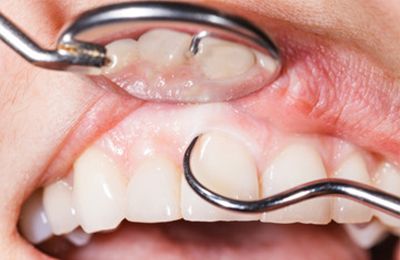
- Advanced Gum Recession: When gums pull too far back? They expose most of the tooth roots. Tissue grafting can help in spots. But if the surface is too worn or fragile? It may not reattach properly.
- Loose or Shifting Teeth: The bone beneath those teeth has weakened. Things start to move, even slightly, and that movement makes grafting unpredictable.
- Fragile or Infected Tissue: Constant inflammation or active gum disease weakens the area. The tissue can’t heal or bond the way healthy gums do.
What Happens If It’s Too Late
So, what if the gum or bone grafting process isn’t an option? It’s not the end of the road. It just means things have to go another way.
Sometimes, a tooth can’t be saved. The bone or gum around it is just too far gone. When that happens, the tooth comes out. Then, the area gets time to heal.
Once everything settles, your dentist can fill the space with a small graft to keep the bone from shrinking. It’s basically a way to save the spot until you’re ready for the next step.
If the bone loss runs deep, implants need to wait. That’s when your dentist will start talking about other choices. Maybe partial dentures. Maybe a bridge. Perhaps a gradual bone regeneration plan that takes time but ensures safety is needed.
The truth’s pretty simple. There’s almost always a way forward. A way to eat your favorite meal, grin in a photo, or laugh without covering your mouth. A way to feel like you again.
It’s not a dead end. It’s just a different path forward.
Why Early Intervention Changes Everything
Early treatment changes the story. When your gums start to recede or bone loss begins, time becomes a factor. The earlier you act, the better your odds.
Fixing a minor issue is simple. A quick graft. A bit of healing. But if you wait? Things spread. The bone keeps shrinking. Suddenly, it’s not one easy fix anymore. It’s a rebuild.
Why gamble with that? A few appointments now beat surgery later.
Your dentist isn’t being dramatic when they tell you not to wait. They’re trying to keep you from reaching the point where “simple” turns into “complex.”
How Dentists Decide If You’re a Candidate for the Gum and Bone Grafting Process

Here’s how dentists decide if it’s too late for bone and gum grafting. First, they take a close look, not just with the naked eye, but with imaging that shows what’s happening beneath the gums.
They’re checking for three big things:
- Is there enough healthy bone to support new growth?
- Are the gums strong and infection-free?
- Is your overall health stable enough for healing?
If those boxes get a yes, you’re probably in good shape for the gum or bone grafting process.
If not, don’t stress. They’ll build a plan to get you there. A deep cleaning, some antibiotics, maybe lifestyle tweaks. Small steps that make a big difference later.
Alternatives When Bone and Tissue Grafting Aren’t Possible
Did you miss the window? You’re not out of luck.
Other options include:
- Deep cleanings to reduce bacteria
- Antibiotic therapy
- Custom night guards
- Targeted fluoride treatments
These aren’t quick fixes, but they work. Deep cleanings clear out infection below the gumline. Antibiotics can calm active inflammation.
Night guards protect your teeth from grinding, which keeps your gums from being under stress. Fluoride helps rebuild weak enamel and prevent new decay while the area heals.
Sometimes, that’s all it takes to make bone and gum grafting possible later. Healing isn’t always linear. The body can surprise you if you give it the right conditions.
Schedule Your Consultation Today
Final Thoughts
So, when is it too late for bone and gum grafting? It’s not an easy line to draw. Teeth, gums, and bone? They tell their own story. Some stories stretch longer than others.
Too late usually means too long without care. Too many chances missed. But even then, the body can surprise you.
Think of it like a garden. If the roots are there? Something can grow. You just have to start watering and tending to it again. Don’t wait for perfect timing. Get started with the help of 209 NYC Dental today.