 Our History
 Our Providers
 About Us
 Blog
Blog
 Contact us
 Diagnostic & Preventive
 Dental Implants
 Clear Braces - Invisalign
 Cosmetic Dentistry
 Periodontics
 Patient Forms
 Payment Information
 Insurance Options
 CareCredit Dental
 Appointment Policy
 Free Consultation
 Complimentary Teeth Whitening
 Teeth Whitening
Tooth Loss and Prevention in NYC


Losing a tooth doesn’t just impact your smile – it can affect your ability to chew, speak and maintain a balanced bite. Studies show that less than half of U.S. adults have kept all of their permanent, and tooth loss becomes more common with age; about 11 % of adults aged 65-74 have lost all their natural teeth and nearly 20 % of those 75 and older are completely. Severe tooth loss (having eight or fewer teeth) affects roughly 26 % of adults aged 65. Many cases of tooth loss are caused by untreated cavities, gum disease or trauma to the mouth. These numbers highlight why timely tooth replacement is so important.
Key Takeaways
- Tooth loss is highly correlated with age and lifestyle factors, with smokers experiencing significantly higher rates of tooth loss.
- The most common causes of missing teeth include poor dental hygiene, high sugar diets, bruxism (grinding), and gum disease.
- Failing to replace a missing tooth can cause surrounding teeth to shift, gums to recede, and the jawbone to shrink over time.
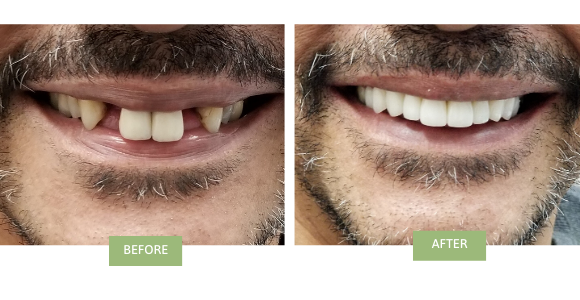
- Prompt tooth replacement using dental implants, bridges, or dentures restores function and protects your facial structure.
Tooth Loss Statistics: Age, Sex, and Lifestyle Factors
While tooth loss is often associated with aging, it is not an unavoidable part of getting older. Recent data highlights how different factors, especially lifestyle habits like smoking, significantly impact how many natural teeth you keep over time. The table below illustrates the average number of missing and remaining teeth among older adults, showing that while age plays a role, choices like tobacco use dramatically accelerate tooth loss.
| Feature | Average Remaining Teeth | Average Missing Teeth |
|---|---|---|
| Adults Aged 65 to 74 | 21.7 | 10.3 |
| Adults Aged 75 and Older | 19.8 | 12.2 |
| Men (Age 65+) | 20.7 | 11.3 |
| Women (Age 65+) | 21.0 | 11.0 |
| Current Smokers (Age 65+) | 16.3 | 15.7 |
| Never Smoked (Age 65+) | 22.0 | 10.0 |
Data indicates that tooth loss in older adults is heavily influenced by lifestyle factors and age. While the average adult over 65 is missing between 10 and 12 teeth, current smokers experience significantly higher rates of tooth loss, missing an average of nearly 16 teeth compared to those who have never smoked.
Centers for Disease Control and Prevention (CDC) – 2024 Oral Health Surveillance Report, Table 17
What Are the Most Common Causes of Adult Tooth Loss?
Adult teeth are permanent. If a tooth becomes loose, an underlying cause is to blame. Common causes of tooth loss in adults include:
Poor Dental Hygiene
Poor hygiene enables bacteria to build up in the mouth, which can potentially lead to tooth decay and tooth loss if it remains untreated.
Damaging Foods
Sodas, candy and foods with high sugar content are widely known to cause tooth decay. Other potentially damaging foods include bread produced with refined flour, citrus fruits and alcoholic drinks.
Tooth Grinding
Tooth grinding (also known as bruxism) can contribute to tooth loss. Grinding teeth wears away tooth enamel and can crack or chip teeth. Unchecked bruxism can slowly loosen the teeth and resulting to tooth loss.
Tobacco Use
Smokers lose teeth at more than double the rate for non-smokers. Smokeless tobacco can also cause tooth loss because of tooth decay, gum disease and more.
Gum Disease
Advanced gum disease (periodontitis) damages the surrounding tissue and jawbone. Over time, periodontal infection causes the gums to recede and separate from the bone. Untreated periodontal disease will result in loose teeth and eventual tooth loss.
Injury and Trauma
Tooth loss from a physical injury or trauma to the mouth can happen abruptly. Impacts from sports, accidents, or falls can knock teeth out or damage them beyond repair.
What Happens If You Lose an Adult Tooth?
Tooth loss may be gradual or sudden, but if you lose an adult tooth, or more than one, the remaining teeth may start to shift. This shifting may result in crooked looking teeth or large gaps between your teeth. Additionally, missing teeth can cause the gums to recede and the jawbone to shrink, which can make the teeth on either side of the missing tooth weaker. It also makes them more susceptible to plaque, decay and gum disease.
Tooth Loss Treatment
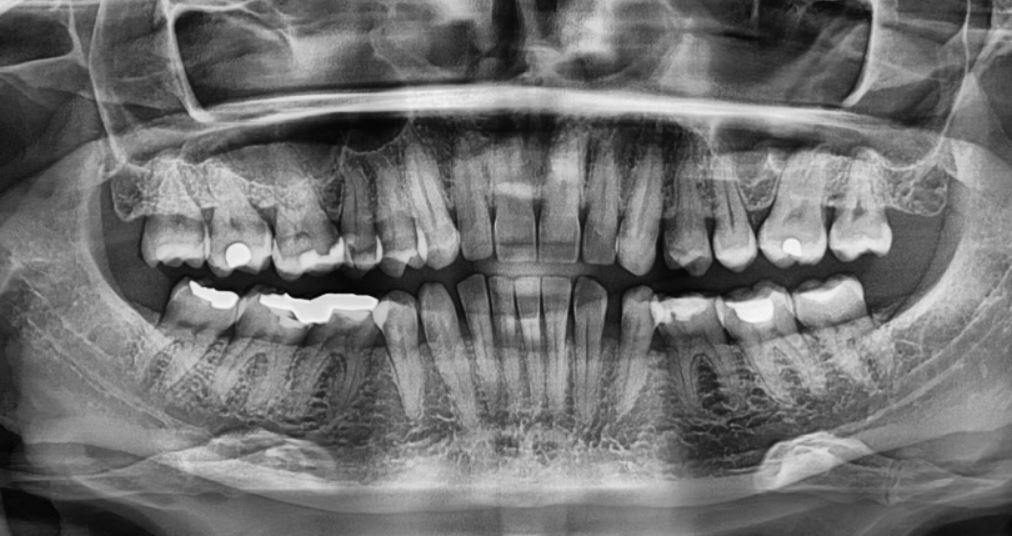
Treatment options for tooth loss depend on the cause(s) of tooth loss. To begin treatment, schedule a dental examination with x-rays. Treatment options include:
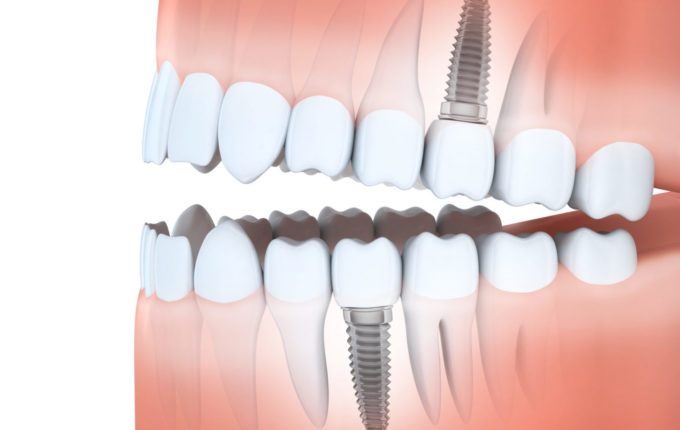
- Dental implant and crowns: These options replace a single tooth. Implants and crowns are both made to match existing teeth.
- Bridges and dentures: While a bridge can be used to replace a single tooth, it also works to replace more than one tooth at a time. Full or partial dentures can also be used to replace multiple lost teeth.
If gum disease is the reason for your tooth loss, you will also need to work out a treatment plan with your dentist for that as well.
How to Avoid Loosing Teeth and Prevent Tooth Decay
Tooth loss prevention begins with good oral hygiene and regular dental examinations and cleaning. In many cases, adult tooth loss can be stopped and even reversed with proper and timely dental care. Contact your dentist right away if you notice worsening breath, pain or bleeding in the gums or damage to your teeth.
Brushing, flossing and regular checkups can help preserve teeth for years to come. Mouthguards offer protection from bruxism, and deep cleanings help to prevent tooth decay. For more on tooth loss or to schedule a dental examination, book your appointment online or call us at 212-355-2290 today.
Why Replacing Missing Teeth Matters
There is a biological reason dentists encourage prompt replacement, and it goes beyond aesthetics. Once a tooth is removed, the jawbone that supported it no longer receives the chewing stimulation it needs. Without that signal, the bone begins to shrink.
Bone loss in one area can affect neighboring teeth, bite alignment, and the foundation available for any future dental implant. In the upper jaw, bone loss can also affect the sinus cavity. In the lower jaw, it changes how the remaining teeth meet and function. Over time, patients with several teeth missing may notice changes to their smile, their bite, or how their mouth feels.
A systematic review of post-extraction bone changes found horizontal bone loss averaging nearly 4 mm within the first six months, with most of that loss occurring in the first three months.
Araújo and Lindhe – Clin Oral Implants Res, 2012
A separate meta-analysis confirmed mean horizontal ridge reduction of 2.73 mm at non-molar sites and 3.61 mm at molar sites.
Pagni et al. – J Clin Periodontol, 2020
Ready to Restore Your Smile?
Contact 209 NYC Dental today to discuss your tooth replacement options and build a customized treatment plan.
Same-day appointments available most days.
209 NYC Dental209 E 56th Street, 1st Floor
Manhattan, NY 10022
Between 2nd and 3rd Avenue | Midtown East
Subway: 4, 5, 6, N, R, W to 3rd Ave 59th St (3 blocks) |
E, F to 3rd Ave-53rd (3 blocks)
Nearby: Bloomberg office on 3rd Ave, Bloomingdales, MoMA